
Natural stone has always had an undeniable presence. It grounds a space, adds movement, and brings the kind of organic detail that manufactured materials try very hard to imitate. But according to recent research, its impact may go deeper than aesthetics.
In a study published in the International Journal of Affective Engineering, researchers from Kyoto, Japan explored how interacting with natural stone influences mindfulness and stress responses. Their findings were compelling:
Visually observing the natural textures of stone—formed through geological and mineralogical processes—without physical contact promoted detached mindfulness and reduced stress responses.
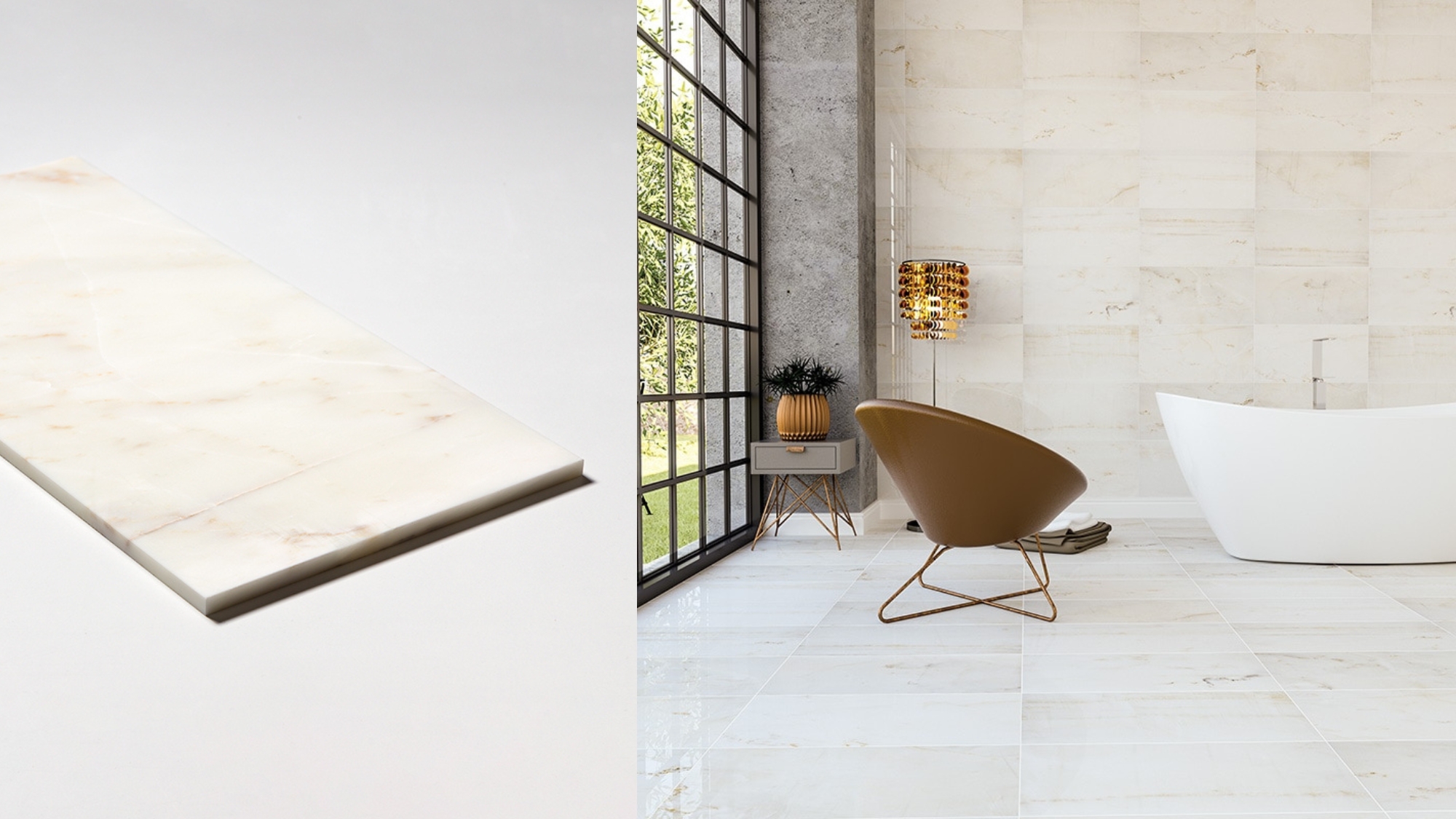
Featured Material: Calacatta Amber Marble
The study found that participants experienced reductions in depression and anxiety-related stress responses, along with improvements in detached mindfulness - a psychological state that helps people observe thoughts and emotions without becoming overwhelmed by them. Interestingly, the greatest benefits were not tied to touching the stone. Instead, simply viewing stone surfaces with visible mineral patterns, particularly those with visual complexity, produced the strongest positive effects.
Visual mineral patterns play a particularly important role in facilitating detached mindfulness and reducing stress.
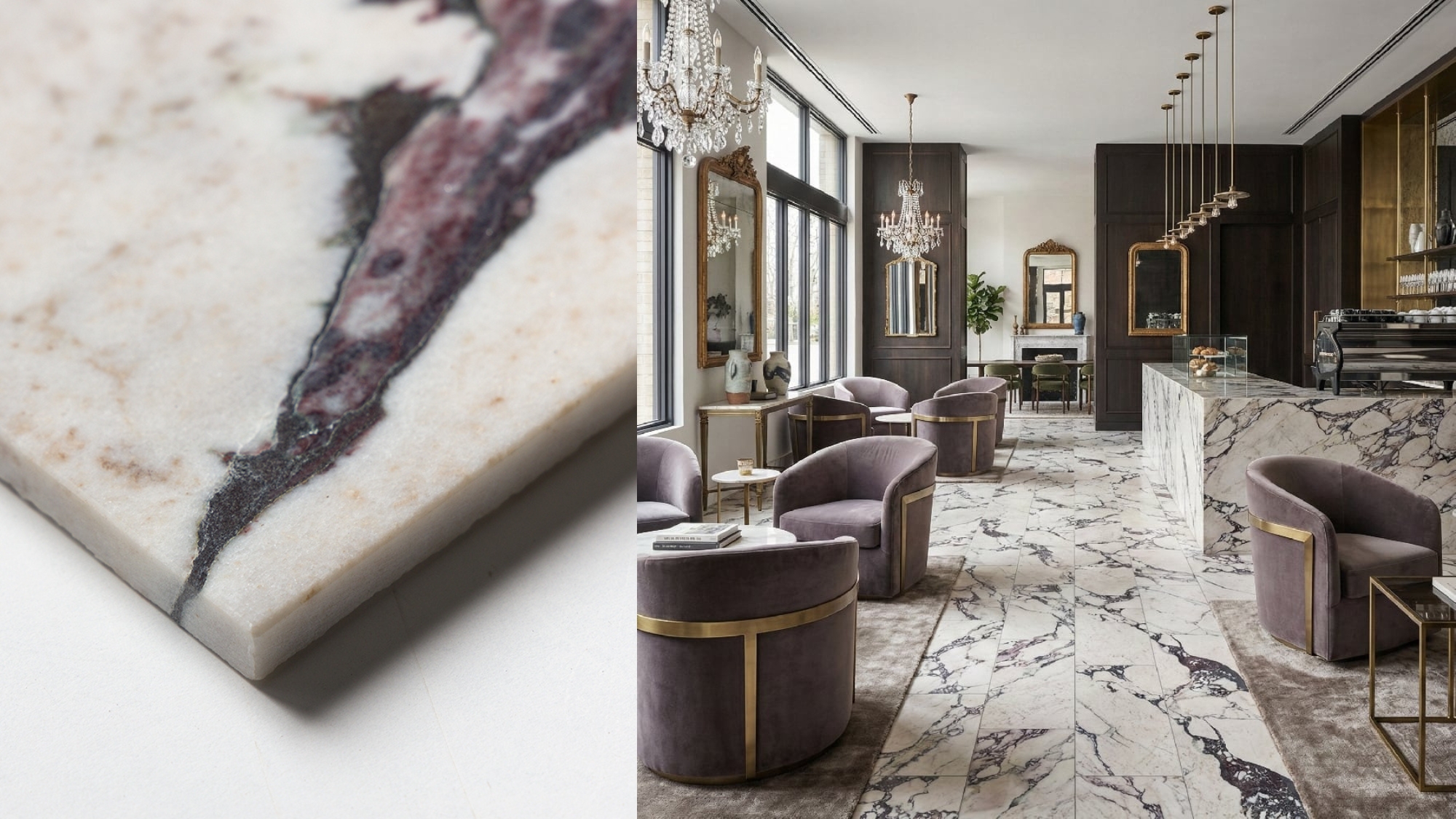
Featured Material: Calacatta Viola Marble
These findings add a new dimension to the conversation around biophilic design. While much of the existing research has focused on greenery and vegetation, the authors concluded:
These findings contribute to the field of biophilic design by highlighting the overlooked psychological role of mineral-based materials, extending the focus beyond plants and greenery.
They point to the naturally occurring mineral formations, veining, crystalline structures, and fractal-like patterns found in stones such as granite and marble as possible explanations for the restorative effects observed during the study.
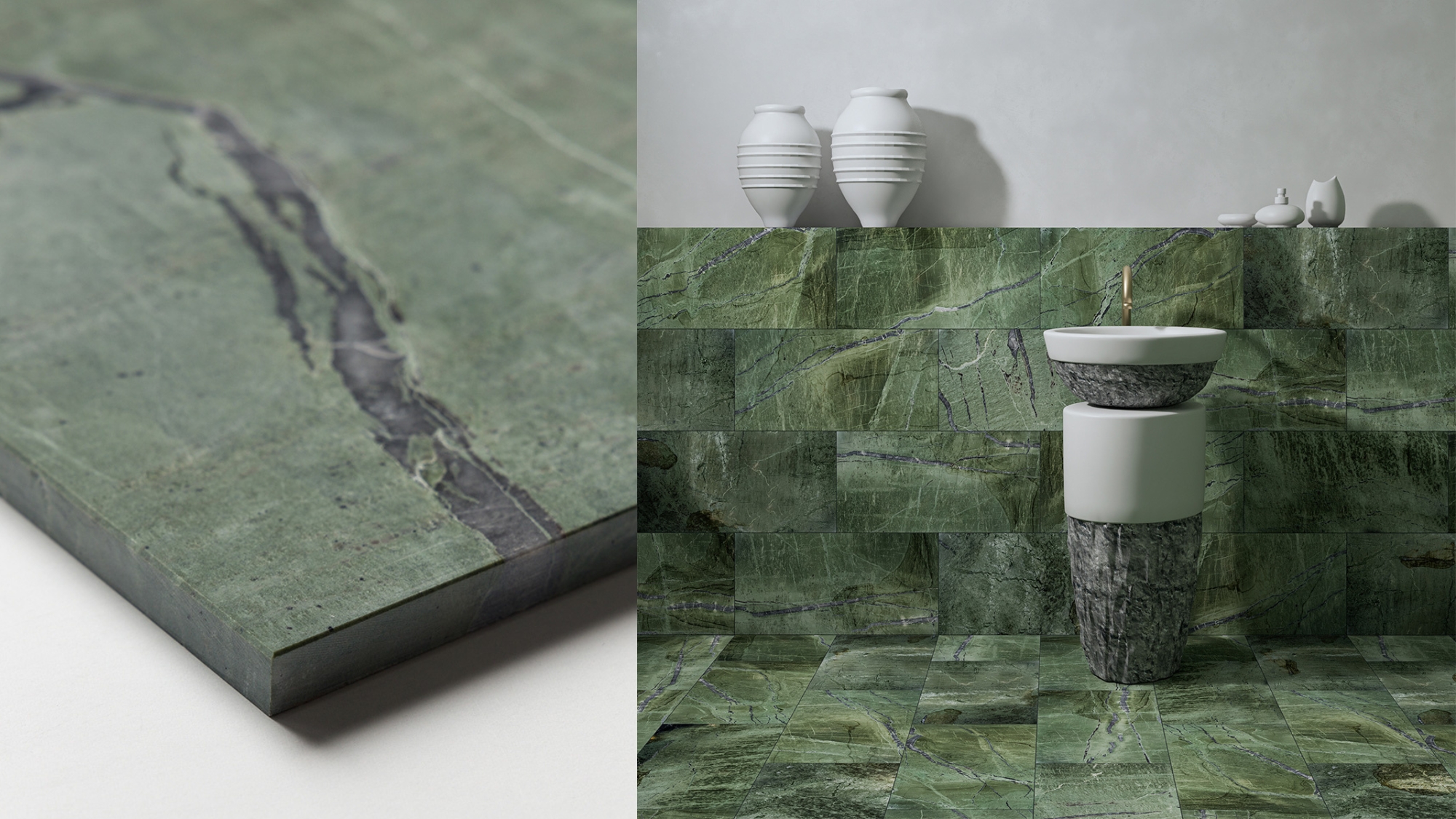
Featured Material: Verde Tia Marble
For architects, designers, and anyone creating spaces where people live, work, heal, or gather, the implications are exciting. Natural stone has long been valued for its durability, authenticity, and timeless beauty. This research suggests it may offer something more: the ability to subtly support well-being through the simple act of being seen. Whether incorporated into walls, feature installations, countertops, furnishings, or decorative elements, visually rich natural stone may help create spaces that feel not only beautiful, but restorative as well.
Explore Our Natural Stone Collections: https://www.facingsofamerica.com/products/natural-stone/